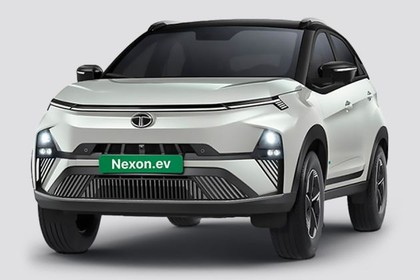
How Tata Nexon EV Shocked the Market and Revived Tata Motors
At the same time, India was beginning to embrace the idea of sustainable mobility, but electric vehicles were viewed with skepticism. Consumers worried about high costs, lack of charging infrastructure, battery life, and resale value. No automaker had cracked the EV market for the masses.
Tata Motors faced a dual challenge: revive its own brand perception and make electric mobility aspirational, trustworthy, and practical for Indian consumers.
Objective
-
Reposition Tata Motors as an innovative, future-ready brand.
-
Establish the Nexon EV as India’s most trusted and accessible electric car.
-
Educate consumers and overcome the perception that EVs are inconvenient and expensive.
Strategy / Execution
Tata Motors launched the Nexon EV in 2020, branding it as “India’s Own Electric SUV.” The approach combined product innovation with smart storytelling.
-
Affordability & Accessibility: By pricing the Nexon EV significantly lower than global EVs, Tata created a bridge between aspiration and affordability.
-
Trust through Ecosystem: Leveraging the Tata Group ecosystem (Tata Power for charging, Tata Chemicals for batteries), they built consumer confidence in the long-term viability of EVs.
-
Branding & Storytelling: Campaigns highlighted not just sustainability but also performance, safety, and pride in supporting “Made in India” innovation.
-
Targeting Millennials & Urban Families: Positioning the Nexon EV as stylish, modern, and future-forward appealed to younger buyers who cared about climate change but also wanted practicality.
-
Government Alignment: Tata closely aligned with India’s EV push under FAME-II policy, further legitimizing its positioning as the national EV leader.
Impact / Results
The Nexon EV became a game-changer for Tata Motors:
-
Captured over 70% of India’s EV passenger vehicle market share within two years.
-
Revived Tata’s image from “taxi brand” to innovation leader in the EV space.
-
Positioned Tata Motors as the flagbearer of India’s green mobility movement, ahead of global players in the domestic market.
-
Helped Tata Motors’ overall passenger vehicle sales rebound, with Nexon (ICE + EV) emerging as a top-selling SUV.
Key Learnings
-
Brand revival requires more than rebranding—it needs a flagship product that shifts perception.
-
Building an ecosystem (charging, batteries, service) around the product is crucial in new categories.
-
Nationalistic and sustainability-driven narratives can powerfully resonate with Indian consumers.


Comments
Post a Comment